

Learn extra at:
Let the controversy start! There are two distinctive cellphone camps: iOS and Android. Usability, performance, app shops, design, and different elements differ vastly between them. One space of heated debate issues security. iOS is a walled backyard, very tightly restricted to solely Apple gadgets. Android, then again, prides itself in being an open platform. Does this open Android as much as larger threat with regards to safety and privateness points?
Each manufacturers deal with providing a safe expertise, Apple by way of strict management over each the {hardware} and App Retailer, and Android with Google’s common safety updates and Google Play retailer protections. Each provide sturdy encryption, however with Android, this will differ by machine since there are such a lot of producers (and cellphone fashions) to think about, every with their very own approaches to safety updates.
The quick reply is that logically, being extra open signifies that Android is extra weak to viruses, spy ware, and hacking than iOS is. However this is not a definitive reply. There are numerous sophisticated nuances to think about earlier than arriving at a remaining conclusion.
Safety issues of Apple and Android gadgets
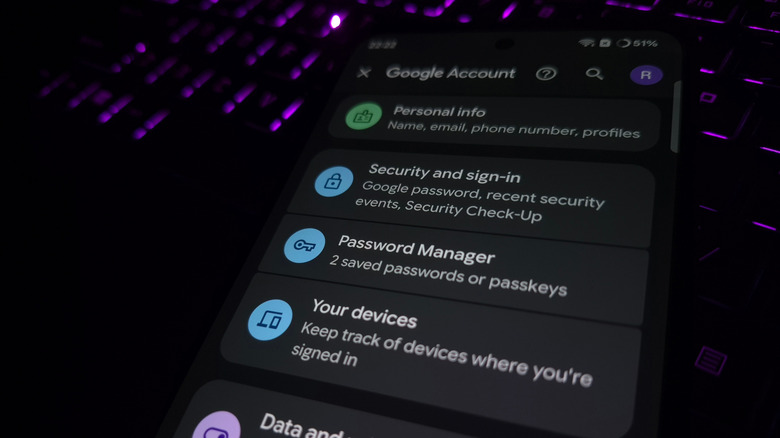
With both platform, essentially the most safe expertise comes with a newer-model cellphone enjoying host to the most recent software program and safety patches. Apple helps its gadgets for fairly a very long time — as much as six years for safety patches. So even these holding onto an older Apple machine ought to be having fun with a safe expertise.
For Android, it comes all the way down to the precise cellphone producer. Google provides seven years of software program and safety updates with its latest Pixel gadgets, for instance, however different producers provide fewer — some simply two years. That may make older fashions weak to safety threats. What’s extra, replace schedules are different, relying on the producer and its roll-out. However newer Android gadgets do boast new AI-powered protections which purport to supply larger safety over issues like e-mail, cellphone calls, and searching. Some telephones even have added layers of built-in safety coming from the producer.
Since Apple’s system is totally closed and safety is standardized throughout all gadgets, the result’s a fairly tight safety framework — so long as you do not jailbreak the machine to achieve entry to different capabilities and apps. Standardizing Android machine safety is a little more of a problem, for causes outlined above.
Each could be weak
Apple’s closely managed iOS ecosystem features a rigorously vetted App Retailer app, and Apple doesn’t share supply code with app builders. The Safe Enclave subsystem shops particularly delicate and private information, like your biometric fingerprint and facial profile. This ensures that even when your cellphone is compromised, these essential particulars will not be accessible. A new feature called Memory Integrity Enforcement (MIE) in iPhone 17 provides additional safety towards spy ware.
Google Play does have a stringent app assessment course of as nicely, with apps scanned utilizing Google Play Defend. However since Android’s complete system is constructed round being open-source, customers can simply modify settings to obtain non-approved third-party apps, which opens the machine to vulnerabilities. Some Android cellphone producers add further safety, like Samsung Galaxy devices with Samsung Knox safety and Google Pixel telephones with the Titan M2 safety chip. Nonetheless, not all Android telephones provide further pre-installed safety measures. So, you will not get the identical stage of safety with out third-party antivirus apps, although many of those don’t really provide much protection.

