Learn extra at:
The federal government of India launched an order that each one smartphones manufactured for Indian residents should include a pre-installed authorities app. This app, often known as Sanchar Saathi, is meant to guard in opposition to phone-based crime equivalent to stealing smartphones or miscellaneous telecom scams. India’s Division of Telecommunications (DOT) specified that this app can’t be disabled or restricted by customers, and that cellphone producers must submit a complete compliance report inside 120 days of the order.
This was met with backlash, with some feeling that this was a privateness infringement and that this app may simply be used to trace individuals’s actions and gather knowledge from the cellphone. In response, a number of days later, the DOT launched a brand new assertion stating that as a result of customers are already accepting this app, the pre-installation mandate doesn’t have to be imposed on cellphone producers.
This complete scenario has precipitated an excessive amount of concern concerning the federal government infringing on the privateness of its residents underneath the guise of wanting to stop crimes. Although there are methods to find and remove spyware from your Android phone, this app will not be so easy. It might call to mind Massive Brother from the novel 1984 by writer George Orwell, the place residents had been continuously underneath surveillance. It additionally units a harmful precedent for particular person rights being restricted based mostly on a tradition of concern and safety.
Reactions to the app
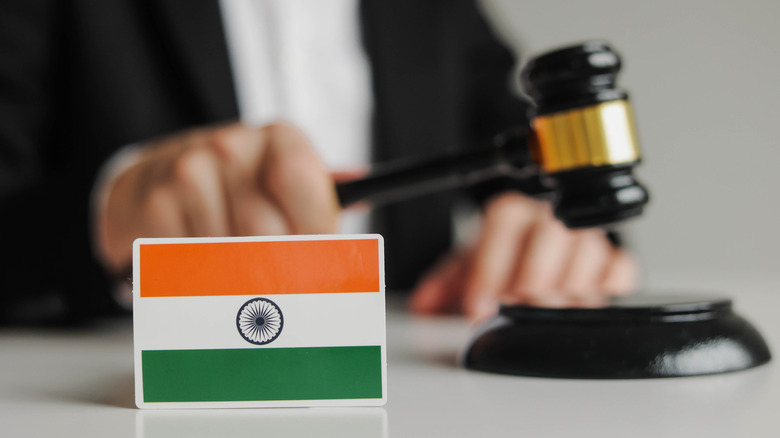
Lawyer Mishi Choudhary practices in New York and New Delhi. She works because the Authorized Director for the Software program Freedom Regulation Middle in New York and is the founding father of the SFLC.in non-profit that focuses on on-line civil liberties. Relating to the Sanchar Saathi app, she had loads to say in an interview with ABP Live. She said that “That is one more instance of utilizing ‘Directives’ to remove consumer autonomy, make a mockery of consent and have 24 hours State in My Dwelling measure.” In regard to the Division of Telecommunications (DOT) first stating the app must be necessary after which stepping again on that order, she mentioned, “The federal government retains toggling between mandatory-voluntary because it builds information … “, and that such a transfer shouldn’t be supported by the structure.
Apple itself said it won’t comply with this mandate for its iPhones bought in India. Sadly, there was no response from Google concerning its Android telephones or privateness issues for its buyer base. The Indian DOT did state in its directive that individuals are actively downloading and utilizing the Sanchar Saathi app, so not everybody feels that it’s an infringement on their privateness.
Members of India’s authorities and different activist teams have spoken out in opposition to this app. It’s being equated with the federal government snooping by itself residents. Because it has built-in location monitoring, issues have been raised about monitoring individuals’s actions to know the place anybody is at any given time.
The harmful precedent this units
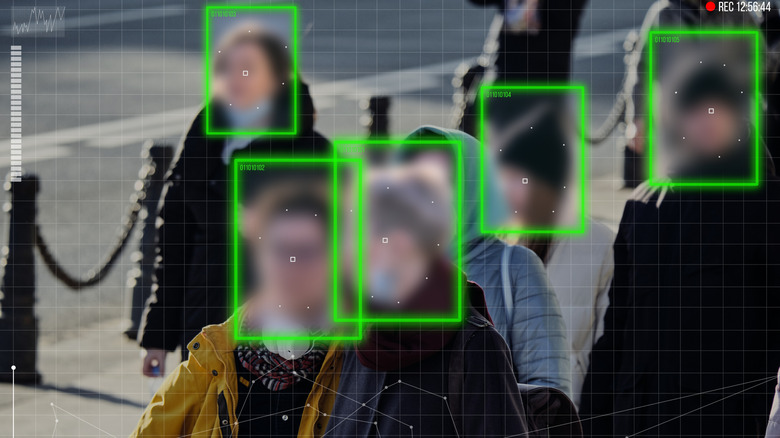
That is definitely not the primary time the capabilities of smartphones have been capitalized on by governments to observe residents. In early 2025, Russia ordered an app known as Max to be pre-installed on all Russian telephones, and this app may share private cellphone knowledge with the federal government. This app was underneath the guise of being an alternative choice to the safe messaging platform often known as WhatsApp.
Lawyer Mishi Choudhary identified in her interview that the capabilities of such an app may progressively be elevated over time. It’d first get launched as one thing to guard individuals from crime, however such surveillance could be expanded upon and slowly erode away primary privateness rights.
With governments in Russia and India issuing mandates for smartphone apps, it will probably trigger fear about different governments doing the identical. ICE already tracks people’s cars with an app that mixes Motorola’s visitors cameras and private citizen knowledge bought by Thomson Reuters. Whereas the Indian DOT stepping again on the manufacturing mandate could be seen as a optimistic, its assertion that this was as a result of individuals had been already accepting the app could make you surprise what’s going to occur if individuals select to cease accepting it.

